
How to Create a Preventive Health Checklist for Older Adults

Modern medicine is often reactive—we wait until symptoms appear before we seek help. However, as we age, the most powerful tool for longevity is shifting toward a proactive, preventive model. A personalized preventive health checklist is not just a list of appointments; it is a “Medical Dashboard” that organizes your health data, ensures no critical screening is missed, and provides you with the data necessary to collaborate effectively with your healthcare providers.

The Core Four Categories

A comprehensive checklist should be organized into four quadrants. By categorizing your needs, you can easily identify what is due immediately and what can wait for the next annual cycle.

  1. Clinical Screenings: These are your baseline vitals—blood pressure, blood glucose (for diabetes), and lipid panels (cholesterol). These metrics serve as the primary indicators of cardiovascular health.
  2. Cancer Screenings: This category includes age-appropriate screenings such as colonoscopies (colorectal cancer), mammograms, prostate screenings, and annual full-body
Read More
Low-Impact Cardio Exercise Tips for Seniors to Do at Home

Maintaining cardiovascular health is one of the most significant factors in aging well. Regular aerobic activity strengthens the heart, improves lung capacity, boosts mood, and enhances overall stamina. However, for many seniors, traditional high-impact cardio—like running or jumping—can be hard on the joints, leading to unnecessary aches or even injury.

“Low-impact” does not mean “low-results.” By choosing activities that elevate your heart rate while keeping at least one foot on the ground, you can achieve all the benefits of cardio without the jarring stress on your knees, hips, and ankles. Staying active at home is not only possible; it is a safe, effective, and convenient way to preserve your independence and keep your body moving smoothly.

Safety First: Preparing Your Body

Before beginning any new exercise regimen, always consult with your physician to ensure the activities align with your specific medical history.

  • The “Talk Test”: When exercising, you should be
Read More
Best Brain-Boosting Nutrition and Diet Tips for Seniors

As we age, our brains naturally undergo changes, but recent research suggests that cognitive decline is not an inevitable outcome of the aging process. The connection between what we eat and our cognitive health—often referred to as the “gut-brain axis”—is profound. Our brains are incredibly metabolically active organs, constantly requiring a steady supply of high-quality fuel to maintain focus, memory, and sharpness. By making small, consistent dietary shifts, you can nourish your brain and support long-term cognitive longevity.

The Foundations of a Brain-Healthy Diet

When it comes to neuroprotection, not all diets are created equal. The most widely acclaimed approach is the MIND Diet (Mediterranean-DASH Intervention for Neurodegenerative Delay). This eating pattern is a hybrid of the Mediterranean and DASH diets, specifically designed to reduce inflammation and oxidative stress in the brain.

The MIND diet doesn’t require drastic restrictions. Instead, it focuses on including specific “brain-healthy” food groups—such as berries, … Read More

Daily Joint Health Tips for Seniors to Improve Mobility

Getting older brings a wealth of experience and wisdom, but it often comes with a common challenge: joint stiffness and decreased mobility. While many accept these changes as an inevitable part of aging, the truth is that you have a significant amount of control over your joint health. By adopting consistent, gentle habits, you can protect your cartilage, strengthen the surrounding muscles, and maintain your independence. The goal isn’t to turn back the clock, but to ensure that your body remains a reliable vessel for the life you want to lead.

The “Motion is Lotion” Philosophy

The joints in our bodies are protected by cartilage and lubricated by a substance called synovial fluid. Think of your joints like the hinges of a door: when a door sits unused for a long time, the hinges become stiff and squeaky. When it’s used regularly, the oil spreads, and it moves smoothly.… Read More

Smart Savings: How to Lower Your Monthly Health Insurance Premium with a Higher Deductible

When it comes to health insurance, it often feels like you have to choose between saving money now and being protected later. However, by strategically opting for a higher deductible, you can significantly reduce your monthly health insurance premium, making quality coverage more immediately affordable.

This strategy, typically associated with High Deductible Health Plans (HDHPs), is not a fit for everyone, but for those who are generally healthy and have a plan for unexpected costs, it can be a powerful financial tool.

Understanding the Premium-Deductible Trade-Off

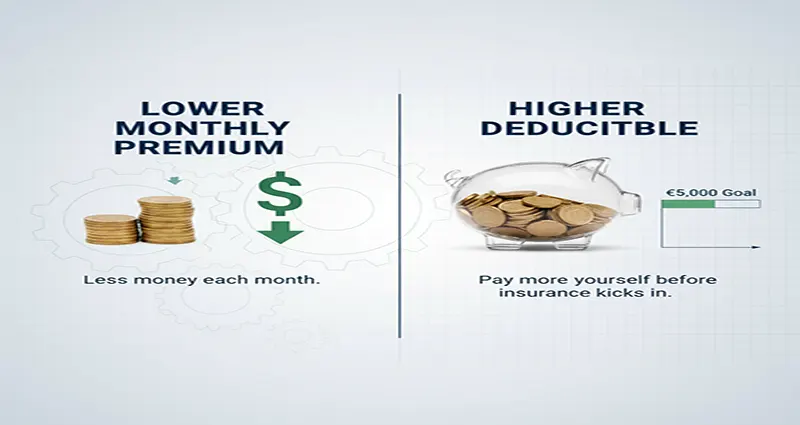
The core concept behind lowering your premium is a simple inverse relationship:

  • Low Deductible  High Premium: You pay more each month, but the insurance coverage kicks in sooner when you need care. This offers predictability and less financial risk in the event of a sudden illness or injury.
  • High Deductible  Low Premium: You pay less each month, but you are responsible for
Read More