The Vital Impact of Remote Patient Monitoring on Reducing Hospital Readmission Rates

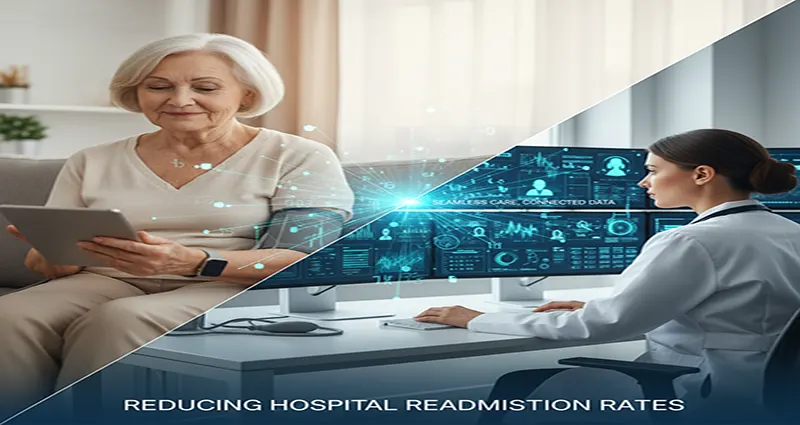
Hospital readmissions—when a patient is re-admitted to the hospital shortly after being discharged—represent a significant quality-of-care challenge and a substantial financial burden on healthcare systems. Unplanned re-hospitalizations, particularly within 30 days of discharge, often signal a breakdown in post-discharge care. Remote Patient Monitoring (RPM) is emerging as a powerful, data-driven solution, actively bridging the gap between hospital and home care and demonstrating significant success in keeping patients healthy and out of the hospital.

How RPM Intervenes to Prevent Readmissions

Remote Patient Monitoring utilizes technology to allow healthcare providers to track a patient’s physiological data and other health metrics from a distance, typically after they return home from a hospital stay. This continuous, real-time connection fundamentally changes post-discharge management from a reactive to a proactive care model.

1. Early Detection of Deterioration

The most critical function of RPM in preventing readmissions is its ability to provide real-time health data. Patients … Read More

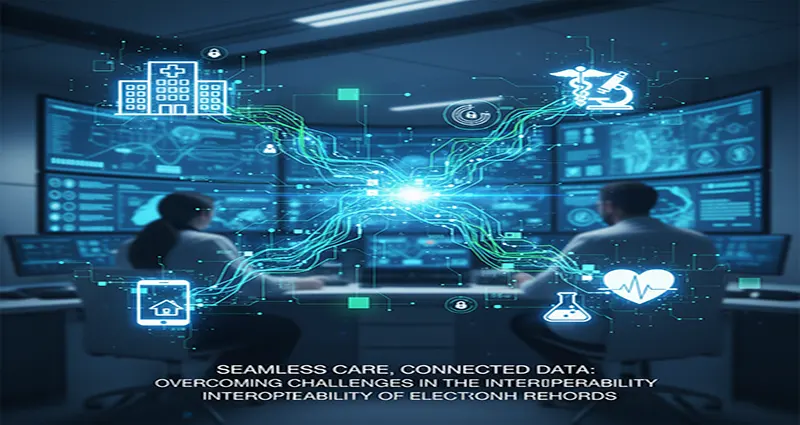
Seamless Care, Connected Data: Overcoming Challenges in the Interoperability of Electronic Health Records

The vision for modern healthcare is a system where a patient’s complete medical history is instantly and securely available to any provider at the point of care. This future hinges on Electronic Health Record (EHR) interoperability—the ability of different IT systems and applications to communicate, exchange, and meaningfully use data.

While the benefits are transformative—from reduced medical errors to lower costs—the path to seamless data exchange is paved with significant technical, organizational, and regulatory hurdles. Overcoming these challenges is the new frontier for health IT.

The Three Core Challenges to Interoperability

The obstacles to true interoperability can be grouped into three distinct, yet interconnected, areas:

1. Technical and Semantic Incompatibility

The most obvious barrier is that EHR systems don’t speak the same language.

  • Inconsistent Data Formats: Hundreds of different EHR products exist, each with unique database structures, data fields, and documentation styles. Data exchange is often stuck at the
Read More
How AI Will Revolutionize Personalized Treatment Care Plans by 2030

By 2030, Artificial Intelligence (AI) will fundamentally transform healthcare from a reactive, “one-size-fits-all” model into a proactive, hyper-personalized system. The core of this revolution lies in AI’s ability to analyze massive, complex datasets—including genomics, lifestyle, and real-time patient data—to create treatment care plans tailored to an individual’s unique biological and environmental profile.

The integration of AI will redefine medical precision, enhance clinical decision-making, and shift the focus from treating illness to predicting and preventing it.

1. Precision Medicine on Steroids: The Data Synthesis Engine

The primary catalyst for change is AI’s unmatched capacity for data synthesis. By 2030, AI will integrate and analyze data silos that were previously impossible for human clinicians to process simultaneously:

  • Genomic and ‘Omics Data: AI algorithms (specifically Machine Learning and Deep Learning) will routinely analyze an individual’s whole-genome sequence, proteomics, and microbiome data. This will identify specific molecular pathways driving a disease, leading to
Read More
Innovative Healthcare Technologies Improving Patient Outcomes

In the ever-evolving landscape of healthcare, technology plays a pivotal role in revolutionizing the way patient care is delivered. From streamlining processes to enhancing diagnostics and treatment options, innovative healthcare technologies are continuously shaping the future of medicine and making a significant impact on patient outcomes. Let’s explore some of the cutting-edge technologies that are driving positive changes in patient care:

1. Telemedicine and Virtual Care:

Telemedicine has emerged as a valuable tool in providing remote healthcare services to patients, especially in underserved or rural areas. Through secure video conferencing or messaging platforms, healthcare providers can consult with patients, offer diagnoses, and even prescribe medication without requiring an in-person visit. This not only improves access to care but also minimizes the need for unnecessary hospital visits, leading to more efficient and cost-effective healthcare delivery.

2. Artificial Intelligence (AI) in Diagnostics:

AI-powered technologies are revolutionizing the diagnostic process by analyzing vast … Read More

Unraveling the Helix: Ethical Concerns Regarding Patient Data Privacy with Genomic Sequencing

The rapid advancement of genomic sequencing (GS) is revolutionizing personalized medicine, offering unprecedented insights into individual health, disease risk, and drug response. However, this scientific marvel comes with a profound ethical dilemma: how to safeguard the unique and highly sensitive nature of the resulting patient data. Genomic information is immutable, lifelong, and shared across families, making traditional data privacy frameworks inadequate.

The Unique Sensitivity of Genomic Data

Genomic data, unlike other medical records, possesses unique characteristics that elevate the privacy risk:

  • Irreversible Identifiability: A person’s DNA sequence is essentially a permanent, biological identifier—it’s impossible to truly “anonymize” a full genome sequence, as researchers have demonstrated the ability to re-identify individuals by cross-referencing genomic data with public records. Once compromised, it cannot be changed like a password or a social security number.
  • Implications for Relatives: The genetic information of an individual provides insight into the health and disease risks
Read More